
Demos

Experience the service model in action.

Start with Agilent-tailored workflows, then use focused Salesforce reference demos to validate the supporting capabilities across asset lifecycle, field execution, proactive service, and depot repair.

01
Agilent demo environment

Agilent-Tailored Walkthroughs

The primary demo track: role-based scenarios that connect Agilent's service priorities, workflows, data, and enterprise-system touchpoints in one coherent experience.

Agilent · Priority
Customer self-service

Agilent Connected Support Experience

The end-to-end self-service journey. See how an Agilent customer gets answers, opens and tracks a case, and stays informed across digital channels without waiting on the phone.

Play the walkthrough
Agilent · Priority
Customer field service experience

Field Service Vignette

The connected field visit from the customer's point of view: proactive scheduling, a briefed technician arriving prepared, and the moment of resolution that defines the Agilent service brand.

Play the walkthrough
02
Reference demonstration library

Salesforce Reference Demos

Use these demonstrations after the tailored Agilent walkthroughs to validate specific standard capabilities. Start with the end-to-end overview, then move through the focused clips in process order.

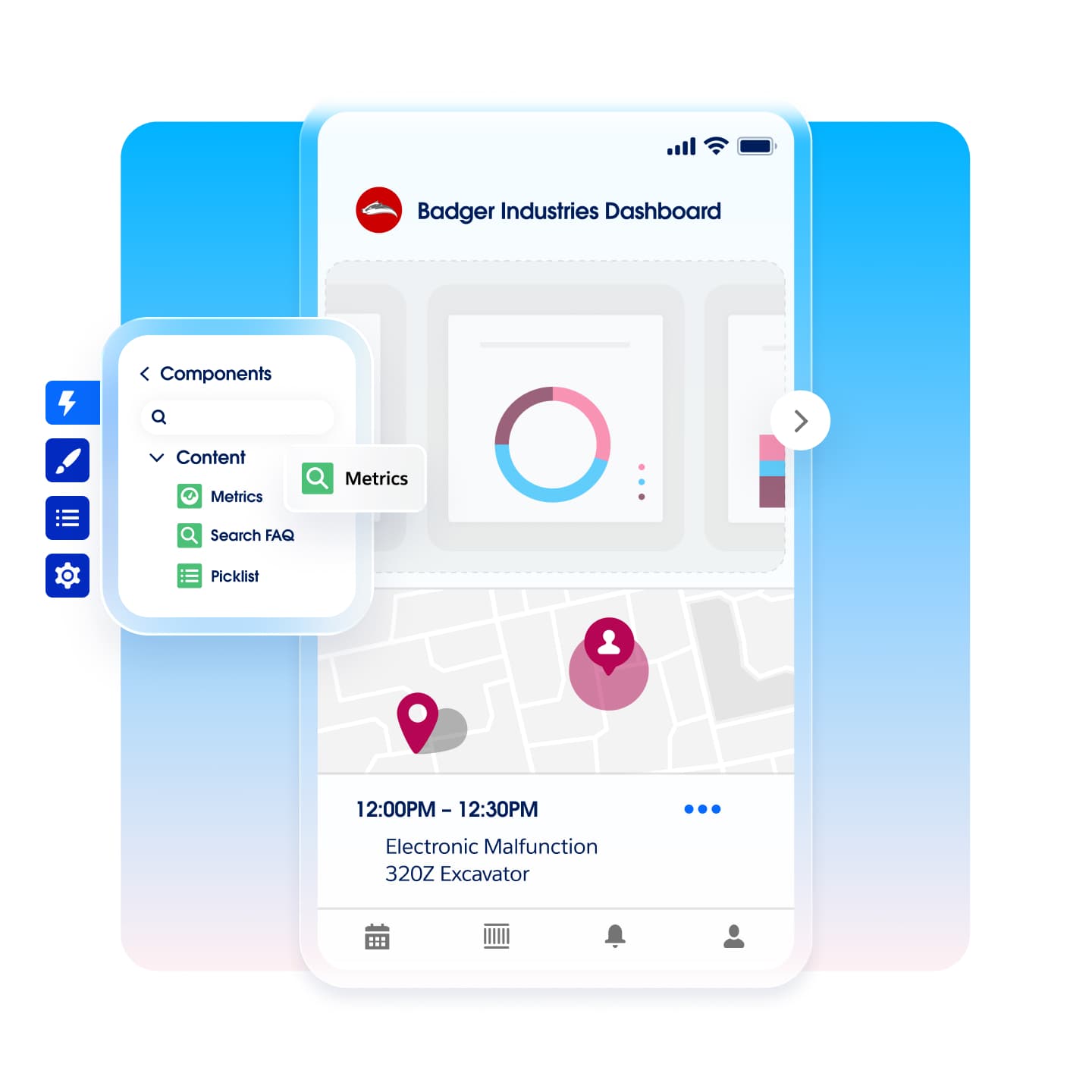
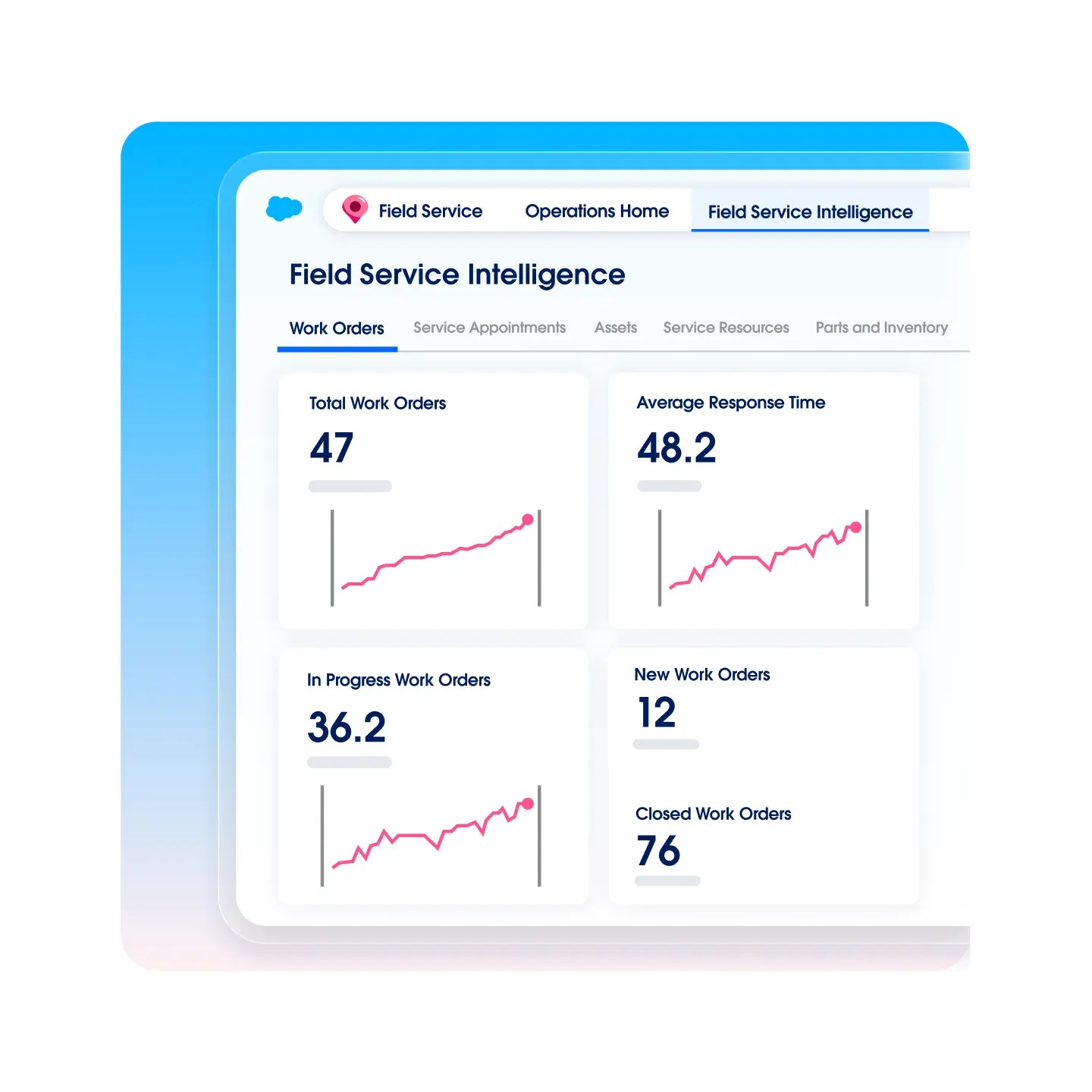
Field Service Intelligence work order dashboard
Salesforce Field Service
Start here · End-to-end Asset Service Lifecycle Salesforce

Maximize Asset Uptime and Revenue with Asset Service Lifecycle Management

See how Salesforce Asset Service Lifecycle Management helps service teams manage the full lifecycle of every asset, from installation to end-of-life, all in one connected platform. This demo walks through key capabilities that help field service organizations reduce downtime, control costs, and deliver proactive service.

0:21 Asset Hierarchy 1:10 Asset Coverage View 2:27 Work Order Estimation 3:16 Advanced Exchange 4:23 Inventory Search 4:50 Product Service Campaigns 6:10 Pre-Work Brief 8:14 Inventory Count
Watch the demo
Recommended sequence

Asset Service Lifecycle Capability Walkthroughs

Follow the operating flow from installed-base context through work planning, parts and logistics, mobile execution, and proactive service.

Read the Salesforce perspective ↗
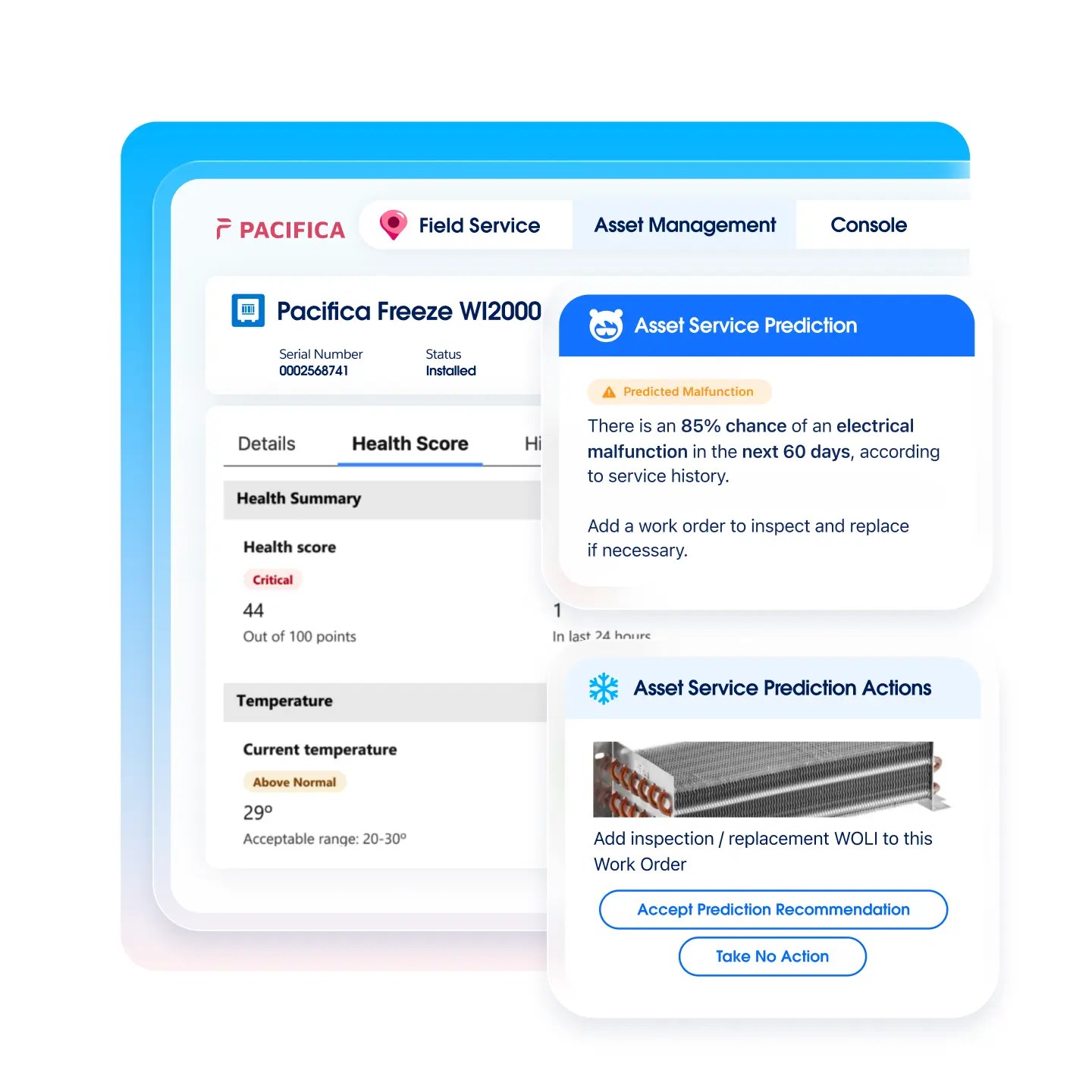
Asset service prediction view
Asset Visibility
01 · Installed Base Asset 360

Asset Hierarchy and Coverage

Explore complex asset relationships, configuration history, warranties, and service-contract coverage in one operational view, helping teams plan accurately and automate renewal and upsell opportunities.

Watch the demo
Quote and revenue at point of service
Service Estimation
02 · Work Planning Work Orders

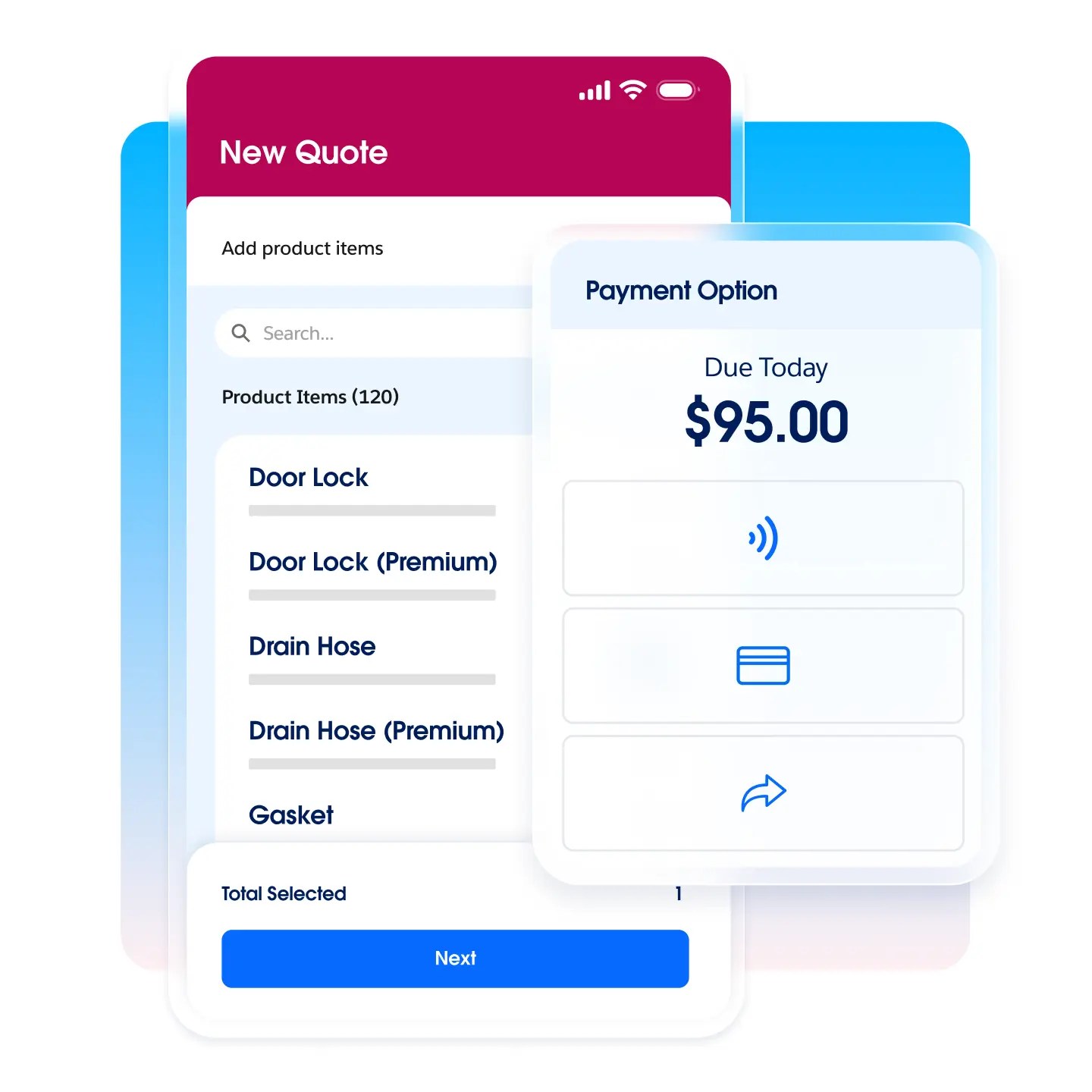
Work Order Estimation

See how complex repairs and upgrades become accurate, professional estimates using connected pricing, work types, discounts, parts availability, and one-click work-order creation.

Watch the demo
Automatic parts and inventory data capture
Parts and Logistics
03 · Parts & Logistics Inventory

Advanced Exchange and Inventory

Initiate an advanced exchange directly from the work order, select the relevant replacement, and automatically put the required orders and reverse-logistics process in motion before arrival.

Watch the demo
Field Service mobile app on a phone
Mobile Execution
04 · Field Execution Field Mobile

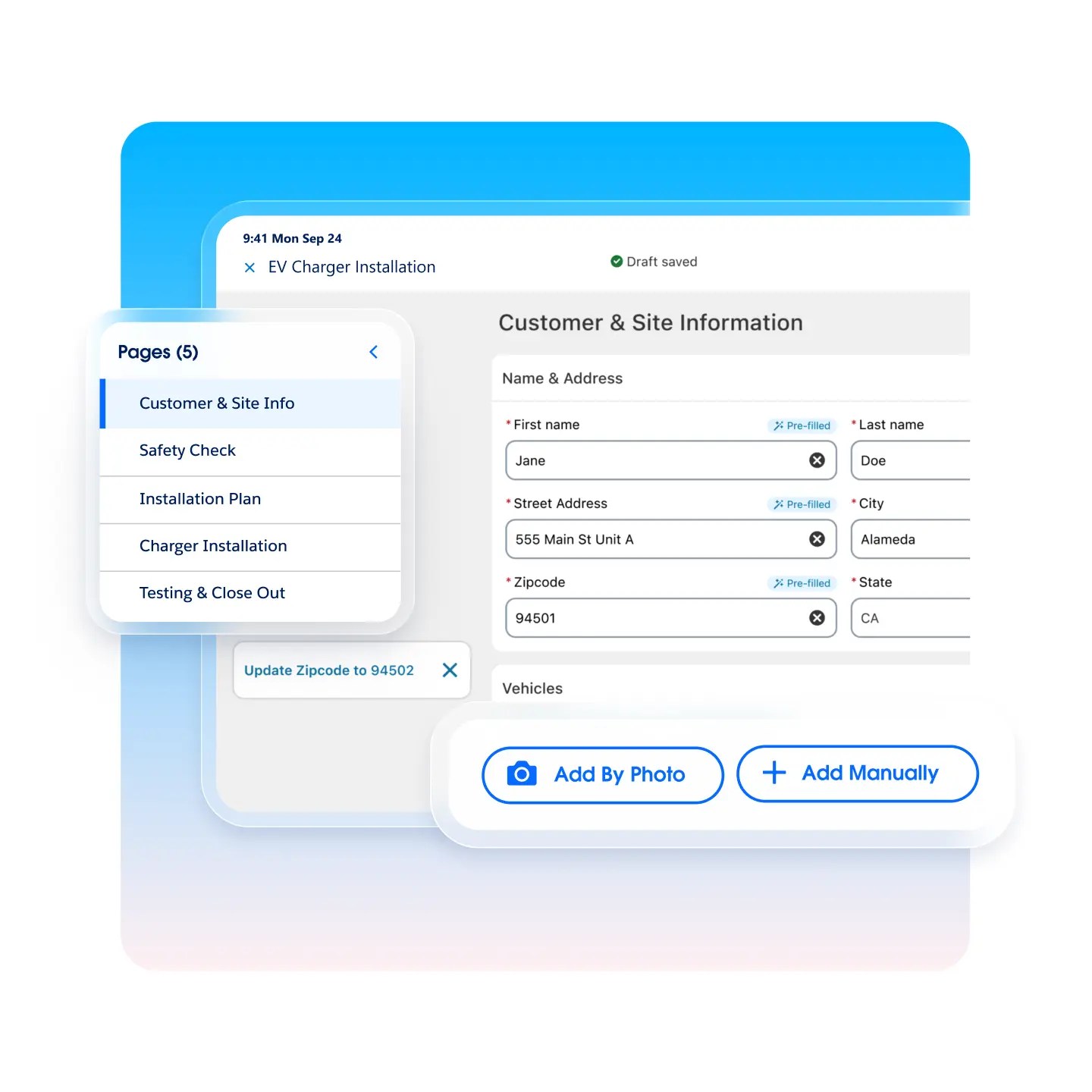
Pre-Work Brief to Inventory Count

Follow a technician from an Agentforce pre-work brief through asset history, fault codes, coverage, maintenance plans, upsell insight, and real-time inventory tracking on mobile.

Watch the demo
Agentforce conversational scheduling
Proactive Service
05 · Proactive Service Campaigns

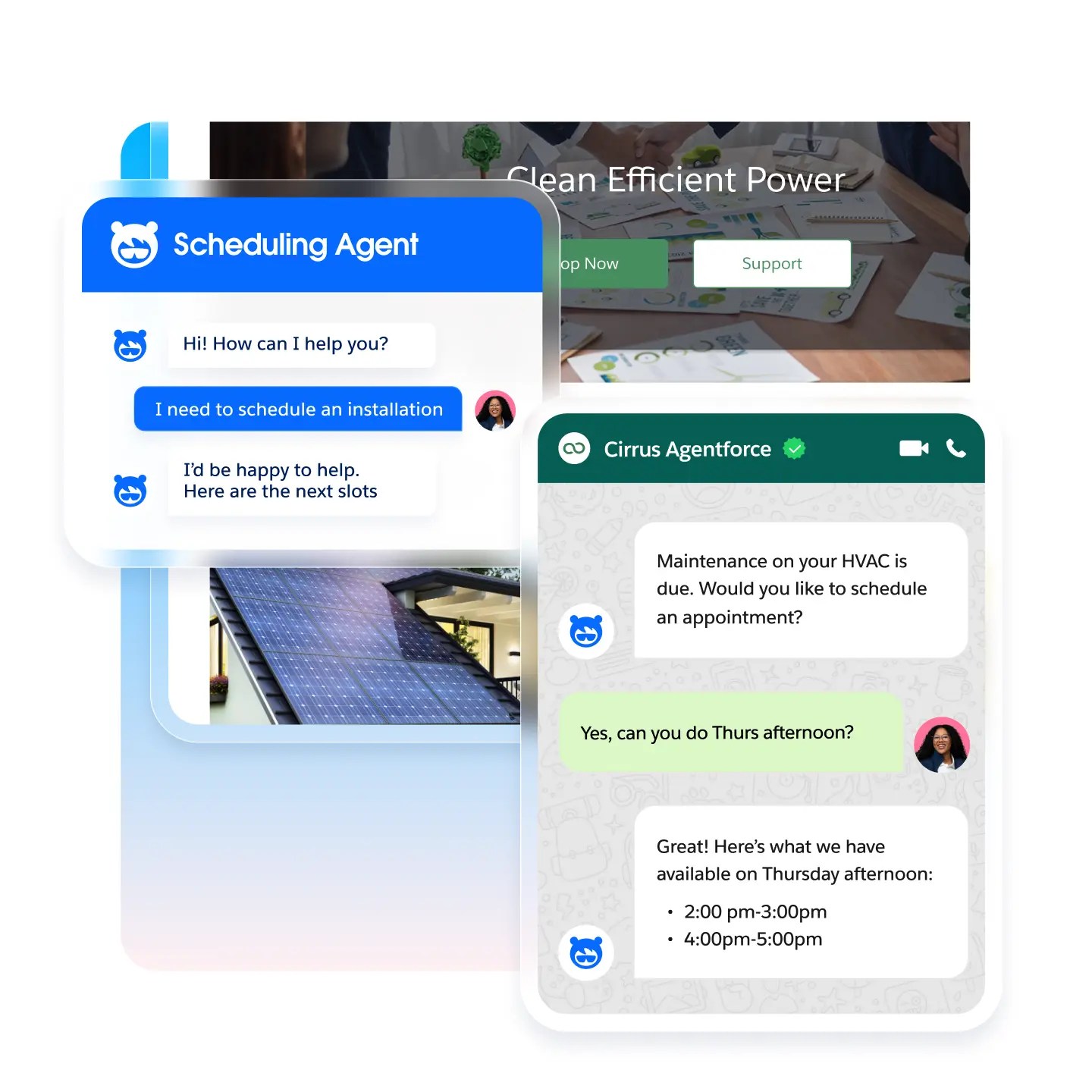
Product Service Campaigns

Turn a known product issue into a proactive, scalable service motion by identifying impacted assets and bulk-generating pre-scoped work orders ready for dispatch.

Watch the demo
Adjacent service flow

Depot Repair Operations

Use this walkthrough when the conversation moves from field execution to intake, repair planning, depot work, and return.

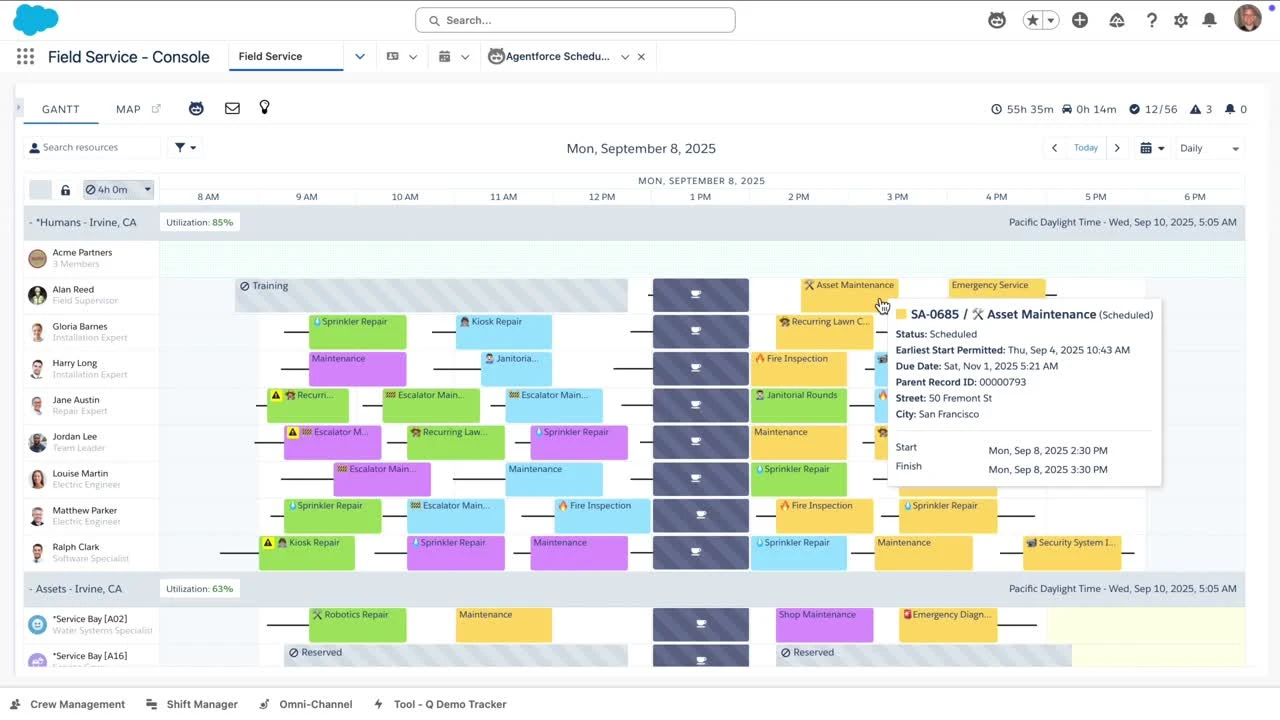
Service operations command center
Depot Repair
06 · Depot Operations Depot Repair Service Operations

Salesforce Depot Repair Demo

A standard product walkthrough focused on managing repair work performed at a depot, from intake and work planning through repair execution and return.

Watch the demo
Remote expertise

Visual Remote Assistance

Bring an expert to the customer or technician instantly over live video, resolving issues without a truck roll and deflecting on-site visits that don't require one.

Live video call with on-screen AR annotation guiding a repair
Visual Remote Assistant
07 · Remote Service Visual Remote Assistant Service Deflection

Resolve Issues Over Live Video with AR Annotation

See how an expert can join a live video session with a customer or field technician, annotate directly on the video stream to point out the exact part or action, and guide the fix in real time. This reduces truck rolls, speeds first-contact resolution, and extends scarce expert capacity across Agilent's global install base.

Watch the demo
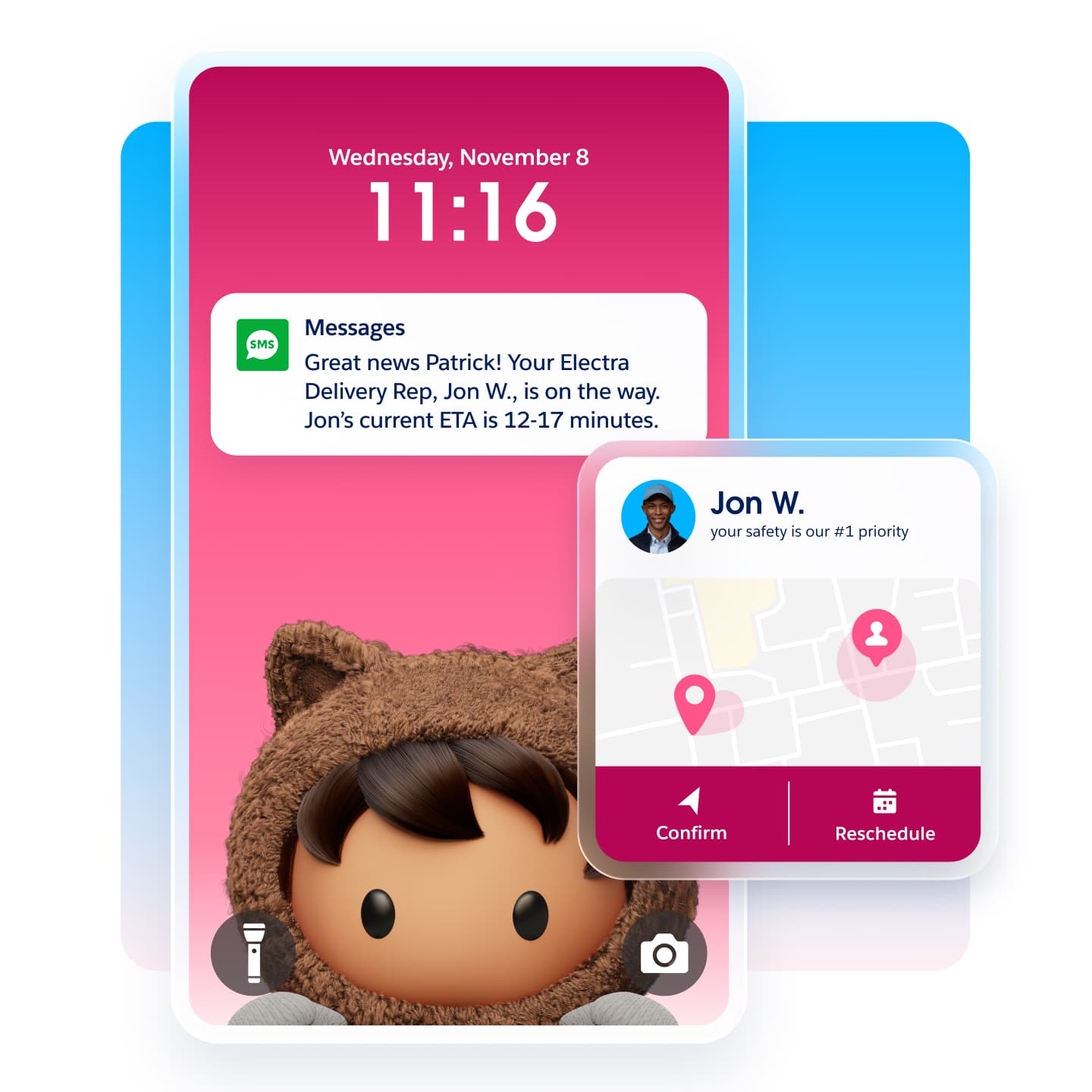
Customer phone showing the technician is on the way with a live ETA and map
Customer experience

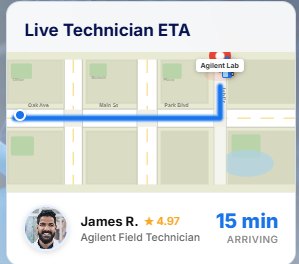
Appointment Assistant: customers know exactly when the tech arrives

Close the loop with the customer, not just the back office. Automated appointment confirmations, real-time technician location, and a live "on the way" ETA turn a service visit into a branded, proactive experience. The result is fewer "where's my tech?" calls, higher CSAT, and a professional touch on every dispatch.

Proactive ETA & live map Automated confirmations Fewer inbound status calls Higher CSAT
Watch the demo

The Service Landscape Is Changing

Three converging forces are reshaping what great service looks like for Agilent's customers, and what it takes to deliver it profitably at scale.

Customer Expectations Are Rising

  • Self-service scheduling and real-time visibility are now table stakes across every industry vertical.
  • Lab managers expect consumer-grade transparency: where is my technician, what will they do, how long will it take.
  • Reactive communication erodes trust faster than any single service failure.

Service Complexity Is Increasing

  • Agilent's instrument portfolio spans LC systems, mass spectrometers, genomics platforms, and clinical diagnostics, each with distinct service demands.
  • Technician specialization requirements are growing as instruments become more sophisticated.
  • Field teams need real-time access to service histories, parts availability, and remote diagnostics, not printed job sheets.

Intelligence Is Resetting What's Possible

  • Smart automation now enables predictive maintenance recommendations before customers raise a case.
  • Agentic workflows can triage incoming service requests, route work intelligently, and surface the right knowledge at the right moment.
  • Service organizations that operationalize intelligence first will set the benchmark others chase.

Friction in the Operating Model Limits Scale

Today's service organization carries structural inefficiencies that compound as volume grows. Each friction point individually is manageable. Together, they form a ceiling on what's achievable.

Disconnected Systems

Service data siloed across CRM, ERP, and legacy scheduling platforms

Limited Offline Productivity

Technicians lose access to job details the moment they enter a lab facility

Manual Scheduling

Dispatchers spend hours on tasks that automation could handle in seconds

Reactive Communication

Customers receive no updates until something goes wrong, or they call in

Inconsistent Visibility

Service leadership lacks real-time data to manage performance or capacity

Admin Burden

Post-job paperwork consumes technician time that should go toward billable work

These friction points are not isolated IT problems. They are strategic constraints. Removing them requires a platform-level rethink, not individual point solutions.

A Connected Service Platform Built for Growth

Future-ready service is not a single capability. It is five interconnected pillars, each reinforcing the others to create a compounding operational advantage.

1

Connected Data

Unified asset, case, and contract data accessible across every team and touchpoint

2

Intelligent Scheduling

Smart automation matches technician skills, location, and parts availability to every job

3

Offline Field Execution

Technicians work without interruption in any environment, syncing automatically on reconnect

4

Proactive Communication

Automated, branded customer updates from appointment booking through job completion

5

AI-Powered Support

Embedded intelligence surfaces next-best actions, resolution knowledge, and capacity insights

What This Looks Like in Practice

  • Technicians arrive prepared with full asset history, required parts, and AI-generated pre-work briefings for every Agilent instrument type.
  • Schedulers shift from manual coordination to exception management as intelligent automation handles routine dispatch decisions.
  • Customers receive proactive updates at every milestone: booking, dispatch, en route, on-site, and resolution.
  • Service leaders access real-time performance dashboards, capacity models, and trend analytics in a single view.
  • The platform scales as service volume grows, without proportional headcount growth or operational complexity.

The Business Case Is Clear

Agilent service leadership has four executive-level outcomes within reach. Each is directly addressable with the right platform and a disciplined transformation approach.

Improve Technician Productivity

Reduce time spent on administrative tasks, inter-team coordination, and information gathering so technicians focus on what they were trained to do.

Productivity baseline to validate

Increase Resource Utilization

Match the right technician to the right job, every time, using skill, geography, parts availability, and workload as real-time scheduling inputs.

Time-savings target to validate

Strengthen Customer Intimacy

Deliver proactive, transparent service experiences at every touchpoint, from booking confirmation to post-service follow-up on every Agilent instrument.

First-time-fix baseline to validate

Scale Without Linear Headcount Growth

Handle growing service volume from an expanding Agilent installed base without proportional cost increases or operational complexity.

Capacity target to validate

Specific metrics to be validated through joint discovery workshops and Agilent operational data analysis.

Intelligence Turns Service Data Into Action

Every service interaction Agilent completes generates data. The question is whether that data sits in a report, or flows back into the operation as actionable intelligence that improves the next interaction automatically.

Predictive Maintenance Intelligence

Surface patterns across Agilent's installed base, including LC systems, mass spectrometers, and genomics platforms, to recommend preventive interventions before customers experience downtime. Agentic workflows can auto-generate service recommendations and pre-schedule visits during low-utilization windows.

Predictive Asset Intelligence Proactive Service
Learn More

Smart Scheduling and Dispatch

Go beyond calendar availability. Intelligent scheduling evaluates technician certifications, drive time, parts inventory, and customer priority tiers simultaneously, producing optimized daily schedules in seconds. Automation handles routine assignments while dispatchers focus on exceptions.

Intelligent Scheduling Route Optimization Skills Matching
Learn More

In-Field Knowledge Augmentation

Deliver AI-generated pre-work briefings directly to field technicians, including instrument fault history, known resolution patterns, recommended parts, and escalation contacts. Embedded search surfaces knowledge base articles and peer expertise at the moment of need, improving first-time fix rates across Agilent's most complex instruments.

Field Intelligence Knowledge Augmentation First-Time Fix
Learn More

Standing Still Is Not a Neutral Position

The service landscape will not pause for internal transformation timelines. The gap between reactive and intelligent service organizations is widening, and it widens faster than it closes.

Competitors who modernize their service delivery will win renewals and service contract expansions that Agilent loses on operational experience, not technical capability.

Every year of manual scheduling and disconnected systems is compounding technical debt that becomes harder and more expensive to unwind.

Lab customers increasingly evaluate instrument vendors on service performance alongside product specifications. Total cost of ownership now includes downtime risk.

Technician retention suffers when field teams are equipped with inadequate tools while consumer experiences set a rising benchmark for what "good" looks like.

Service leadership cannot drive margin improvement without the data visibility to identify waste, optimize routes, and model capacity against pipeline growth.

The Gap Widens Over Time

Now Year 1 Year 2 Year 3 Service Performance Intelligent Service Reactive Service gap

Illustrative trajectory. Actual performance curves depend on transformation pace and scope.

Future-Ready Service Starts With the Platform

Every touchpoint in the service lifecycle, from first customer contact through post-service insight, runs on a single connected platform. Salesforce Field Service is the operating system for Agilent's future-ready service organization.

Customer

Self-service portal & case creation

Contact Center

Case routing & intelligent triage

Scheduling

Smart dispatch & optimization

Field Technician

Mobile-first with offline capability

Customer Comms

Proactive & automated updates

Service Insights

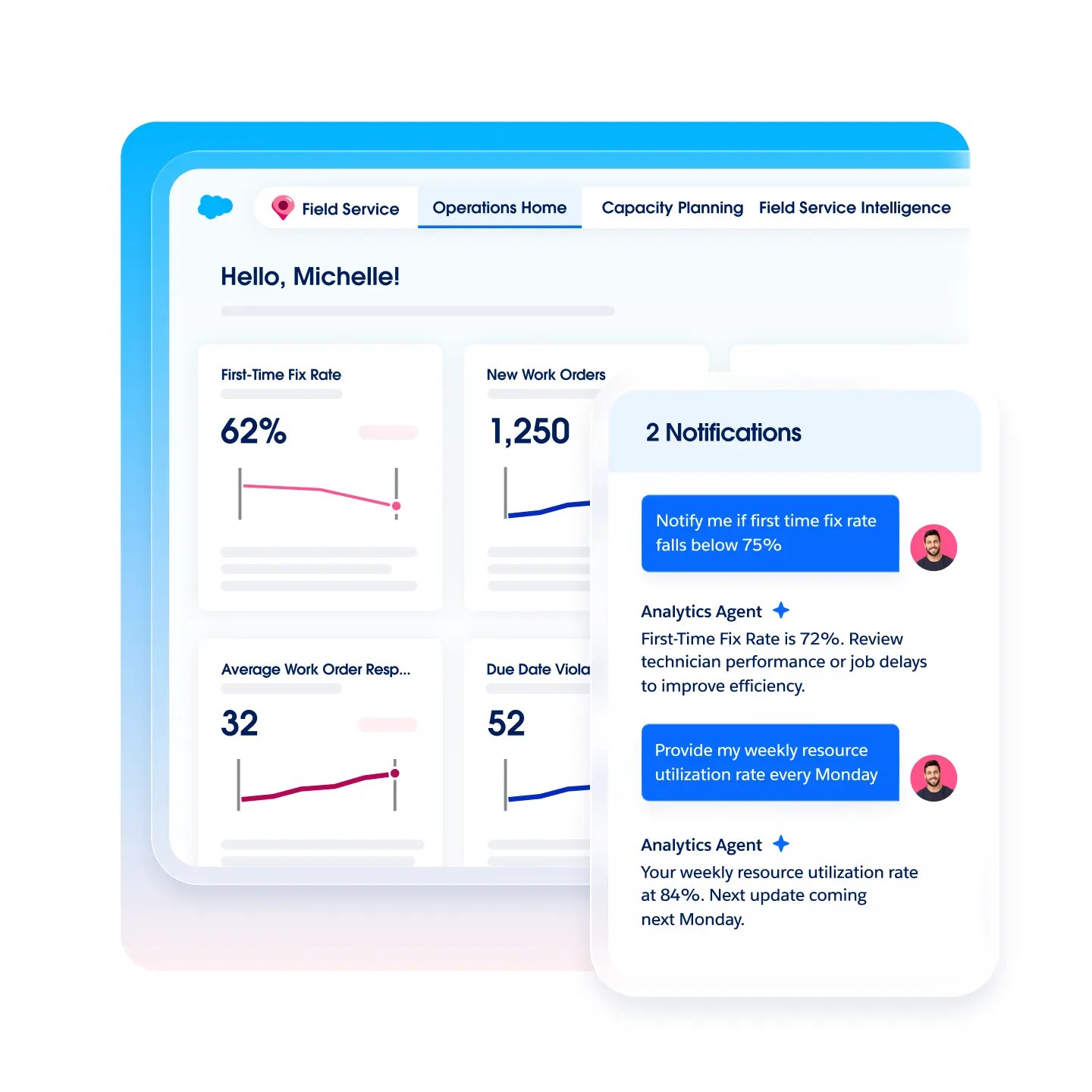
Real-time dashboards & analytics

Powered by Salesforce Field Service